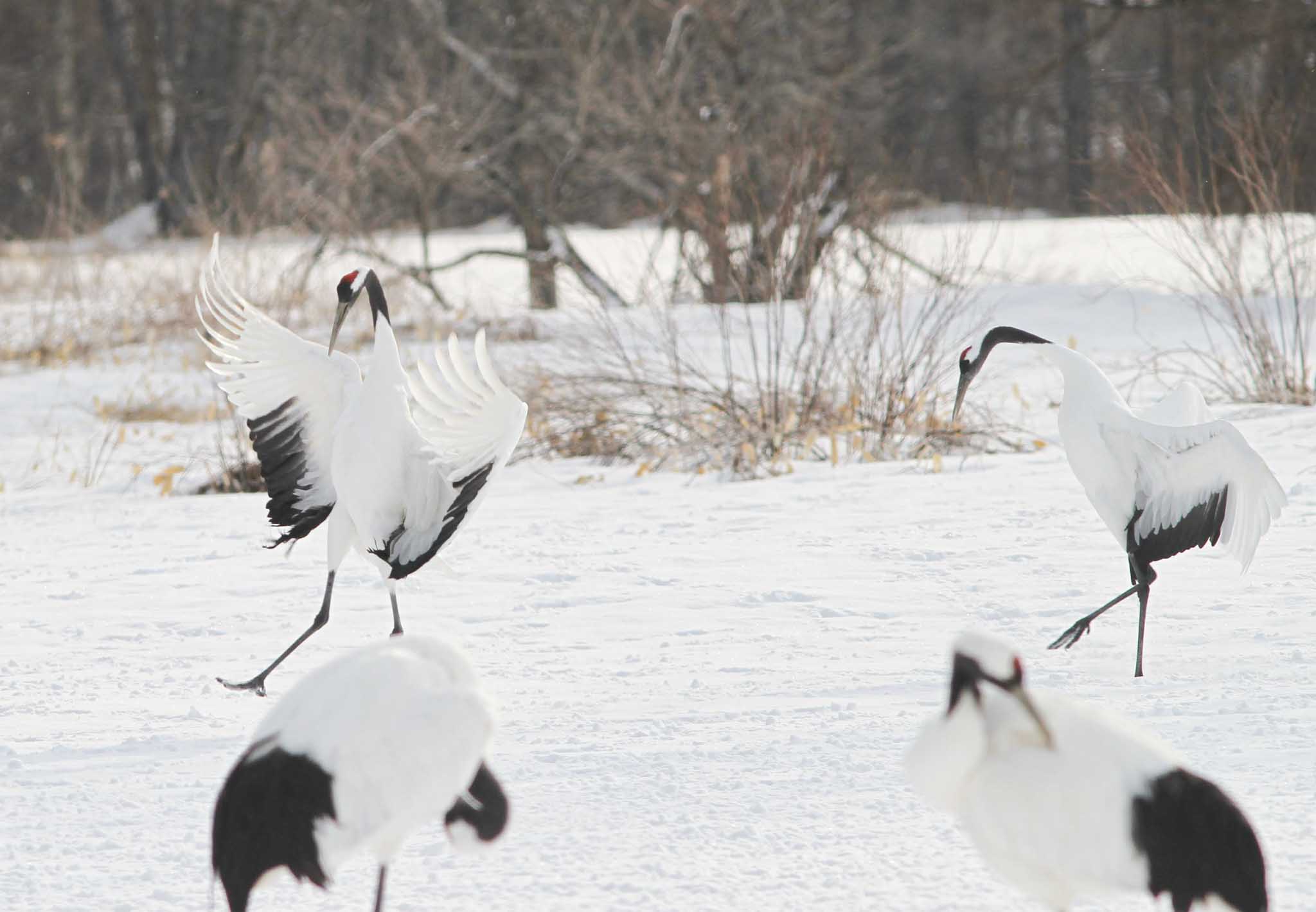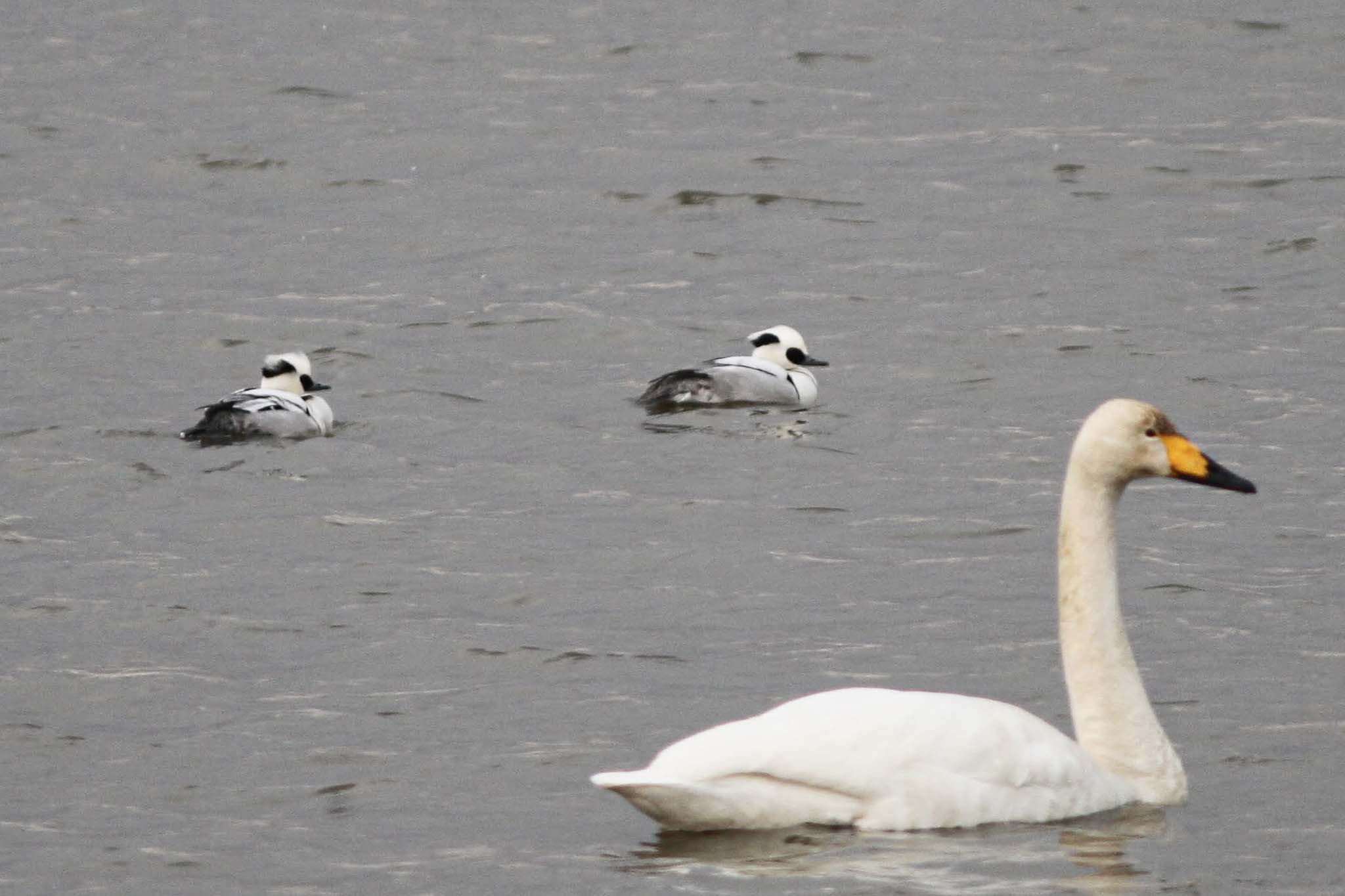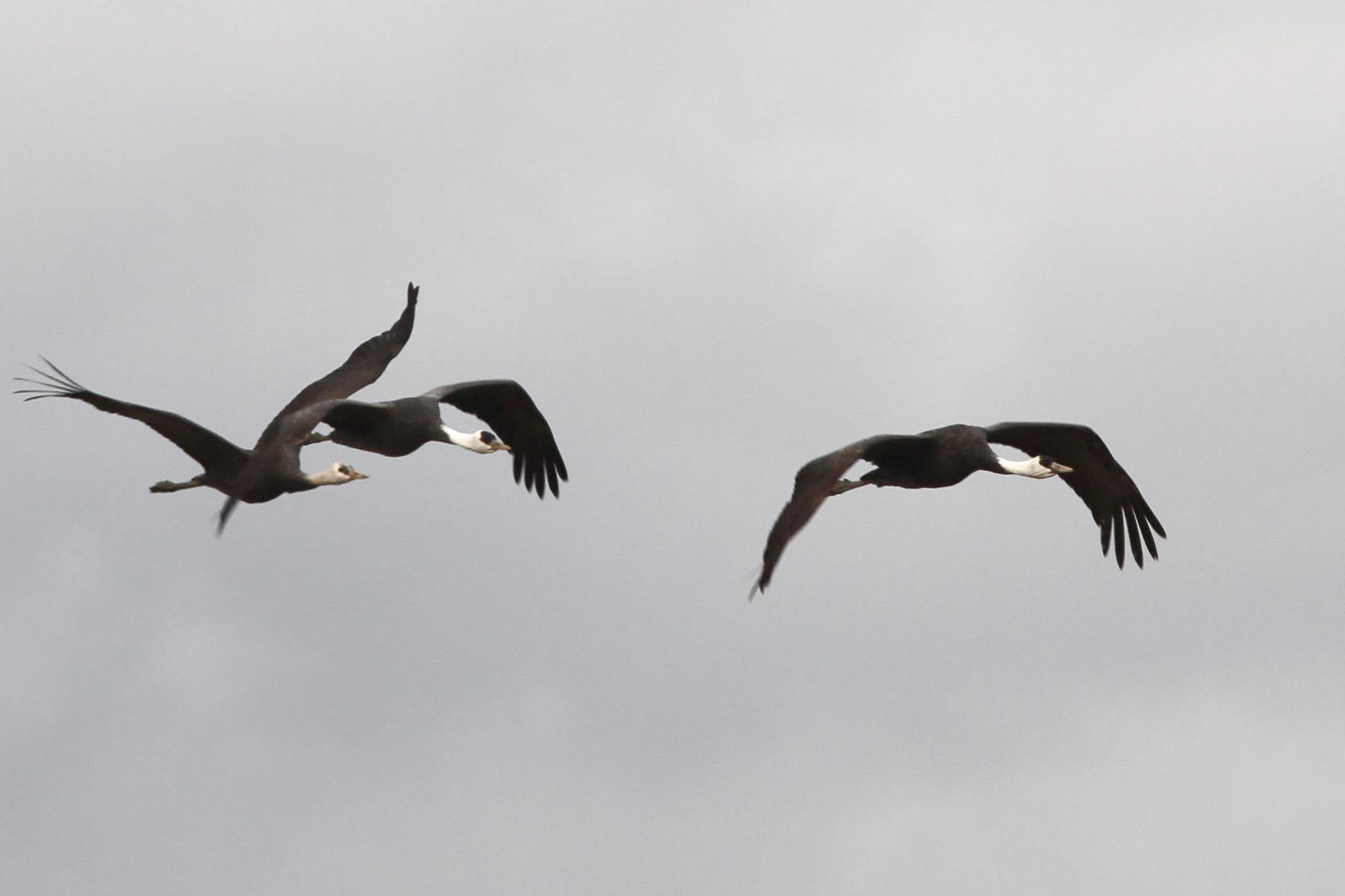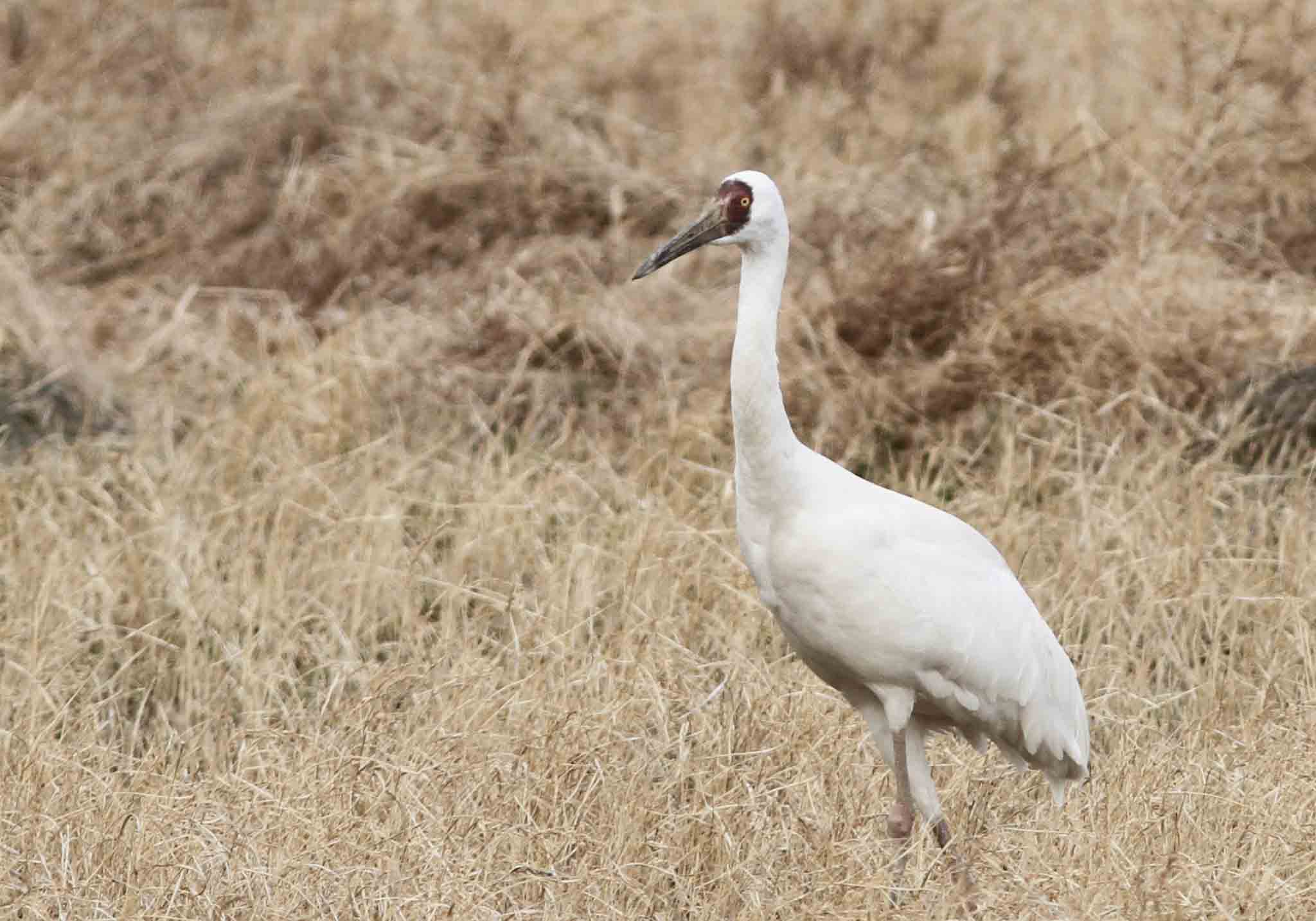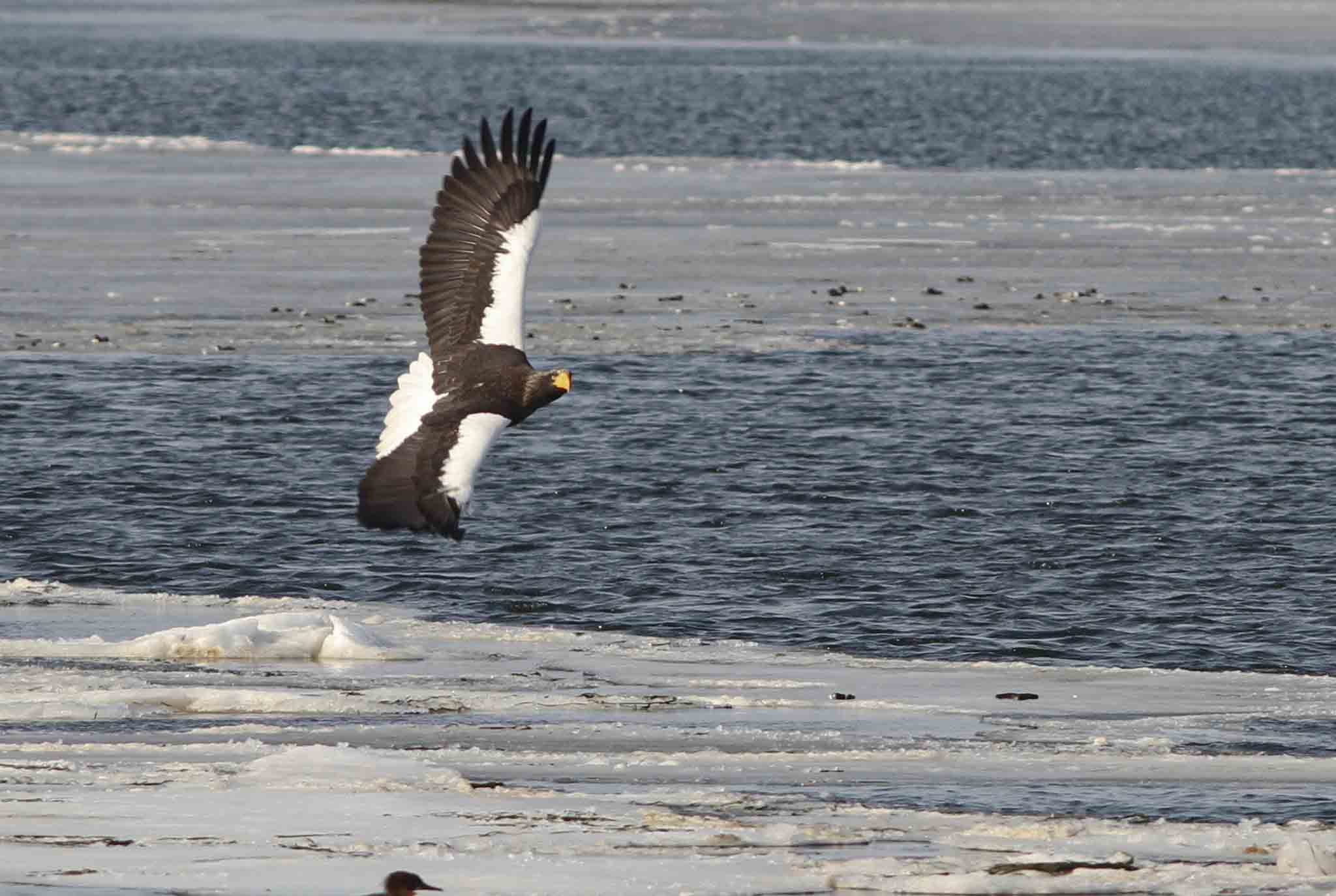
Birding in Japan is nothing short of exceptional. Across the three main islands—Hokkaido, Honshu, and Kyushu—you’ll encounter an array of iconic species. Highlights may include the majestic Red-crowned Crane, Steller’s Sea Eagle, White-tailed Eagle, Blakiston’s Fish Owl, Whooper Swan, and the elegant Hooded and White-naped Cranes. Beyond these flagship species, Japan offers remarkable diversity. Wetlands and lowlands host birds such as Smew, Baikal Teal, Falcated Duck, Black-faced Spoonbill, Northern Lapwing, Japanese Pheasant, and Long-tailed Rosefinch. In forested uplands, you may find Varied and Long-tailed Tit, Japanese Wagtail, Crested Kingfisher, Eurasian Nuthatch, and several woodpecker species, including Japanese and White-backed Woodpeckers. Each habitat reveals its own unique avian community, making every day in the field rewarding.
And then there is Japan’s culinary culture, which is an experience in itself. Whether stopping at a simple convenience store for surprisingly high-quality fare or enjoying a carefully prepared dinner at a traditional inn, the food consistently delights and surprises.
Stretching across a latitude comparable to the distance from Maine to Florida, Japan boasts extraordinary ecological diversity. In the south, palm-lined shores hint at a subtropical climate, while in eastern Hokkaido, winter brings dramatic sea ice and drifting floes. Snowfall in Hokkaido can reach several meters, in stark contrast to the generally mild winters of southern Kyushu. Vegetation shifts accordingly—from evergreen broadleaf forests in Kyushu to spruce and birch forests in the north.
The landscapes you’ll explore are equally varied. Lowlands across Honshu and Kyushu are shaped by rice fields and urban areas, interspersed with vital wetlands that support wintering cranes and waterfowl. In Hokkaido, more pristine coastal wetlands provide critical habitat where Red-crowned Cranes breed in summer and forage in agricultural fields during winter, while White-tailed and Steller’s Sea Eagles patrol the rugged coastlines.
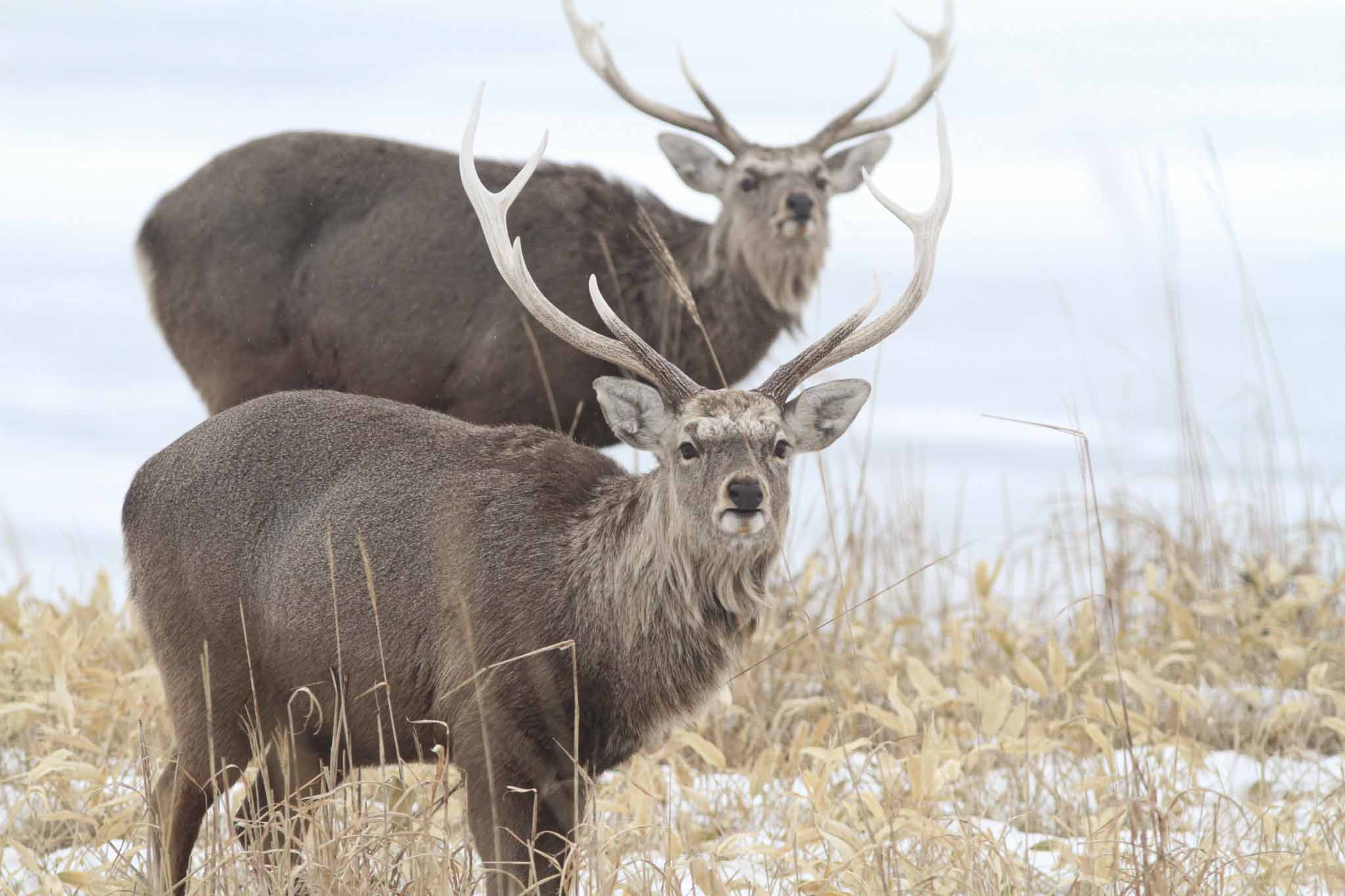
Beyond the birdlife, this journey offers a deep connection to Japan itself. You’ll travel through a welcoming culture, take in stunning natural scenery, watch for both land and marine mammals, and enjoy opportunities to relax in traditional hot springs. Altogether, this is far more than a birding trip—it’s a rich and memorable exploration of one of the world’s most captivating destinations!